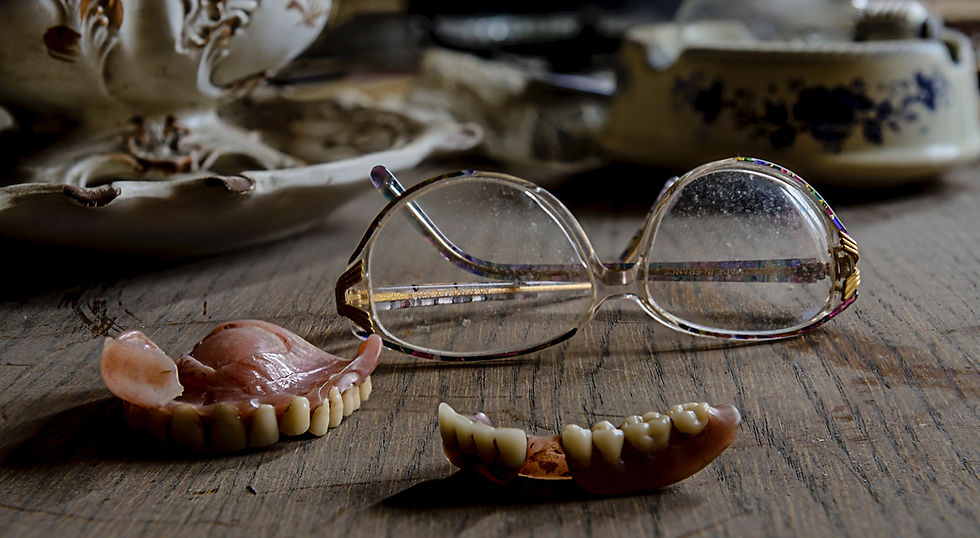
Does dental treatment last forever?

Updated: Apr 21
Picture this: you had a filling done five years ago and it has just fallen out. Or maybe your denture started showing signs of wear only a year into use. Perhaps your implant crown, which felt rock-solid for over a decade, has suddenly started to loosen.
These situations can be frustrating — and they often lead to the same question: why doesn’t dental treatment last forever? The truth is, it cannot.
Designed to Be Permanent — But Not Forever
Many dental treatments, such as implants or crowns, are often described as permanent solutions, and they are — in the sense that they’re not temporary fixes like a bandage or a splint. They’re designed to serve you reliably for many years, often decades.
But “permanent” doesn’t mean forever. Just like a hip replacement or a pacemaker may eventually need replacement after 10-15 years, dental treatment too has a lifespan. Daily wear and tear, the natural changes in our mouths, and the environment of chewing, saliva, and bacteria mean that no restoration can truly last forever.
Why Lifespans Are Normal
We use our mouths every single day: speaking, chewing, clenching, even swallowing. Over time, these forces naturally affect fillings, crowns, dentures, and implants. Dental materials are strong and advanced, but they’re not stronger than nature itself.
Think of it like eyeglasses that need "updating" as our eyes age, car tyres that eventually wear out, or shoes that lose their grip. Dentistry is no different — treatments are built to last, but they all come with an expected service life.
What Happens When Dental Work Wears Out
The good news is that when something happens to dental work, it doesn’t mean you’ve reached the end of the road.
If a filling falls out, it can usually be replaced, but if the tooth has weakened substantially, a crown may be needed instead. A loose implant crown after many years is often just the internal screw needing re-tightening, not the implant itself (if well maintained). Dentures can become loose as the jawbone naturally changes shape; a new denture may be due, or a more fixed option may make more sense.
It’s natural to feel disappointed when something needs attention, but dentistry always offers a path forward.
How to Make Treatment Last Longer
While no treatment can last forever, good care extends its lifespan significantly:
Brush and floss daily.
Visit your dentist regularly for check-ups.
Avoid harmful habits like chewing ice, or using your teeth as tools (e.g. bottle openers).
Use a night guard if you clench or grind at night.

The Positive Side of Modern Dentistry
Today’s materials and techniques last much longer than those from decades past. Fillings, crowns, dentures, and implants are more durable, comfortable, and natural-looking than ever. Even if a restoration eventually needs replacement, what comes next will likely serve you even better.
The Bottom Line
Dental treatments are designed to be permanent solutions — but “permanent” doesn’t mean forever. Like all medical treatments, they cannot outlast the natural forces of daily life. The good news is that when something wears down, there’s always a solution to restore your smile. With the right care and support from your dentist, you can continue to enjoy healthy, confident teeth for many years to come.
About the author
Dr Jeremy Peter Chitty is a dental surgeon practicing in the Serangoon area of Singapore, with a focus on helping patients with complex dental conditions through comprehensive treatment planning, dental implants, and long-term rehabilitative care.